


When planning a trip to South Korea, staying connected is essential for a smooth and enjoyable experience. Travelers often rely on mobile data for navigation, communication, and sharing their journey on social media. However, many visitors underestimate how much data they will actually consume once they arrive at their destination. A standard plan designed for basic browsing and messaging may fall short if your daily itinerary involves extensive digital map navigation and video streaming or uploading.
Actual Usage Needs When Traveling in South Korea

Understanding how you use your smartphone abroad helps you select a suitable connection plan before departure. South Korea is a highly digitized country where digital tools are deeply integrated into daily life, public transit, and tourism. Visitors often find themselves interacting with their smartphones much more frequently than they would at home, which directly impacts their daily data consumption.
Continuous Use of Digital Maps
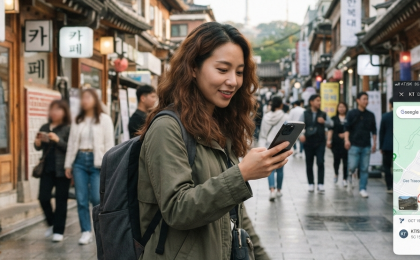
Navigating through bustling cities like Seoul or Busan relies heavily on digital mapping applications. Unlike walking around your hometown, traveling in a foreign country means you will constantly check routes, search for nearby restaurants, verify subway transfers, and recalculate paths when exploring hidden alleys or cultural sites. Because international maps continuously download high-resolution satellite imagery, real-time traffic updates, and location data in the background, your smartphone will consume significantly more data than standard web browsing requires. This constant query-and-response cycle between your device and navigation servers accumulates megabytes rapidly throughout the day.
The Data Consumption Level of Viewing and Uploading Videos
Beyond navigation, capturing your travel memories through high-definition video is a natural part of any modern vacation. Whether you are recording vibrant street performances, scenic mountain trails, or culinary experiences, you will likely want to share these moments instantly. Uploading high-resolution video clips or live streaming to social media platforms demands substantial upload bandwidth. Similarly, watching high-definition video content during long train rides or downtime at your accommodation consumes massive amounts of downstream data. A single high-definition video upload or streaming session can easily equal hours of standard text messaging and email checking.
Reasons to Project Data Higher Than Basic Needs
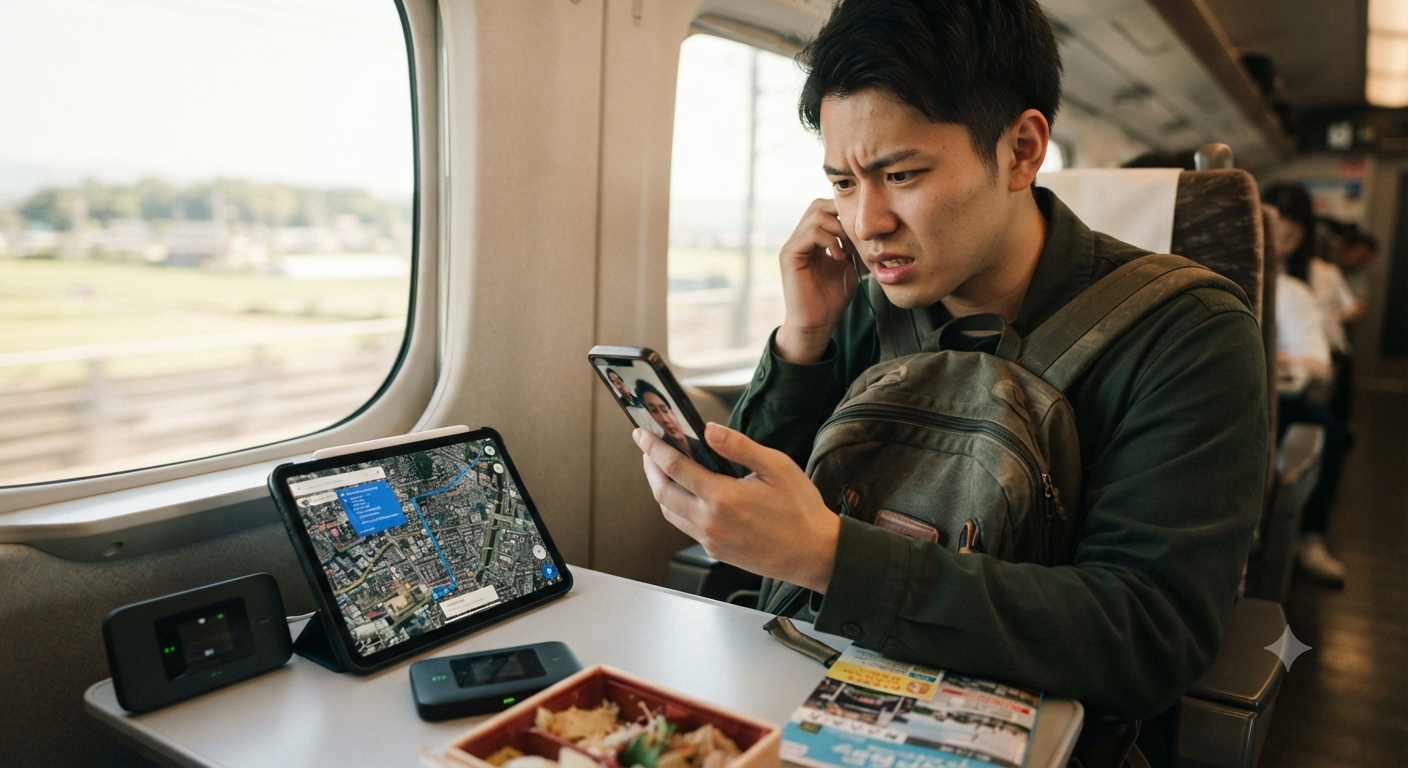
Relying on a minimal data estimate often leads to unexpected inconveniences while you are miles away from home. Recognizing the gap between theoretical calculations and real-world travel conditions is crucial for maintaining an uninterrupted digital experience.
The Difference Between Basic Consumption and Real-World Movement
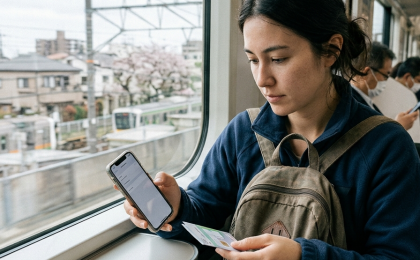
Basic data estimates usually assume static usage, such as checking emails or reading articles while connected to a stable Wi-Fi network. However, travel mobility introduces variables like weak signal areas inside subway tunnels, fluctuating network speeds, and continuous background app refreshes that occur as you move between cell towers. Furthermore, translation apps, currency converters, and ridesharing services continuously pull fresh data to keep you updated. These compounding factors mean your actual consumption will almost always exceed baseline calculations.
Risks of Running Out of Data Midway Through Your Itinerary
Running out of mobile data in the middle of a busy travel schedule creates immediate stress and practical difficulties. Imagine standing at a complex subway interchange during rush hour, unable to load your translation app or check the next train arrival because your data allotment has been exhausted. Without an active connection, finding free public Wi-Fi can be time-consuming and unreliable, potentially disrupting your entire day's plans, restaurant reservations, or meetups with travel companions. Planning ahead with an adequate data reserve prevents these stressful situations.
Frequently Asked Questions About Choosing Data Connectivity Capacities
Balanced Evaluation and Effective Connectivity Solutions
Choosing the right mobile connection requires balancing your personal usage habits against the realities of modern international travel. While basic plans may appear sufficient on paper, the constant demand for navigation, media sharing, and digital tools in technologically advanced destinations like South Korea suggests that overestimating your needs is a safer approach than cutting it close. By carefully evaluating how much you rely on maps and video content, you can select an optimal data solution that ensures a smooth, connected, and stress-free journey from start to finish.
Contact information
CÔNG TY TNHH GIẢI PHÁP DU LỊCH ROAM LINK
Address: Số 11 Đường 17, Phường An Lạc, Quận Bình Tân, TP. Hồ Chí Minh
Hotline: 0911 500 408
Email: johnyfung@roamlinkvn.com
Website: roamlinkvn.com